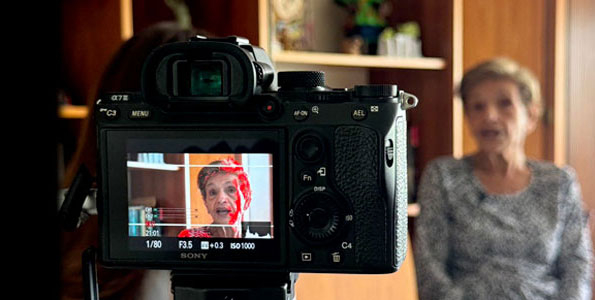
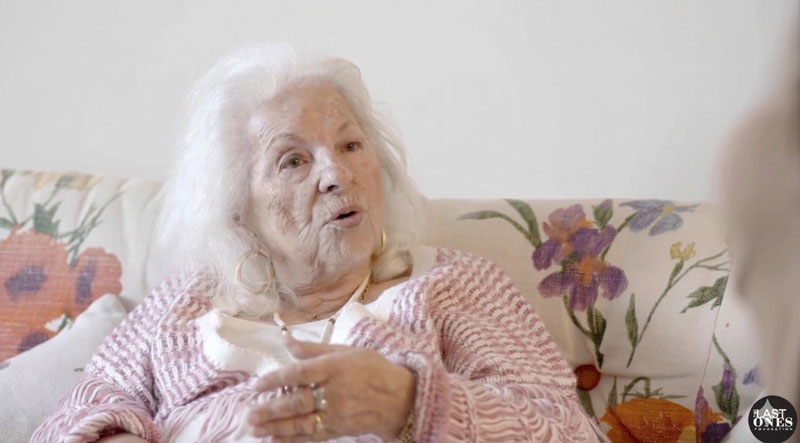
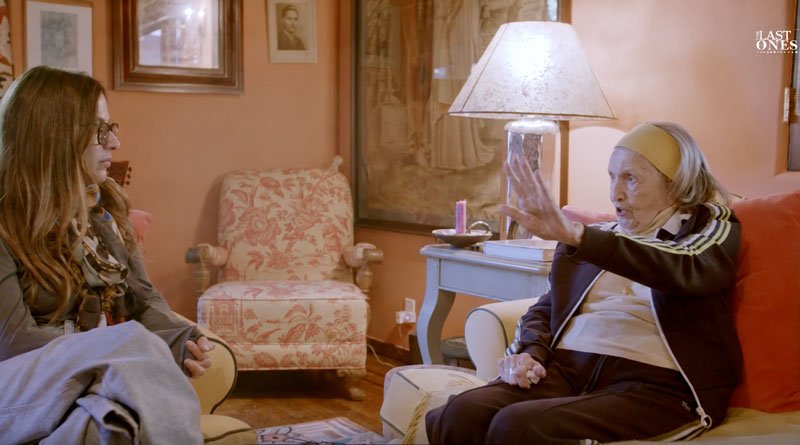
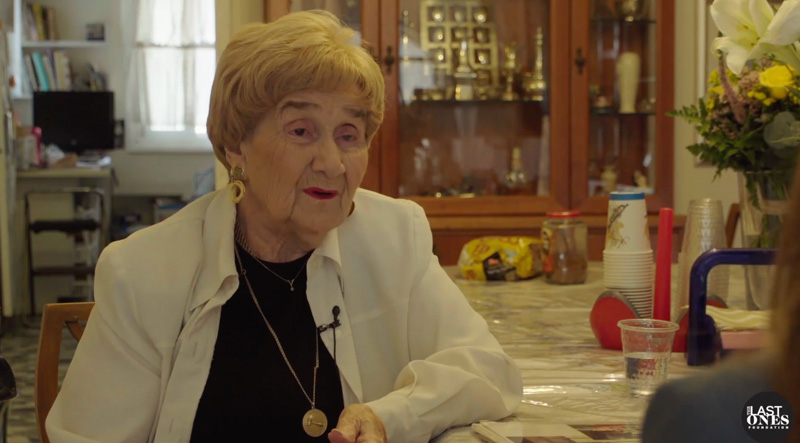
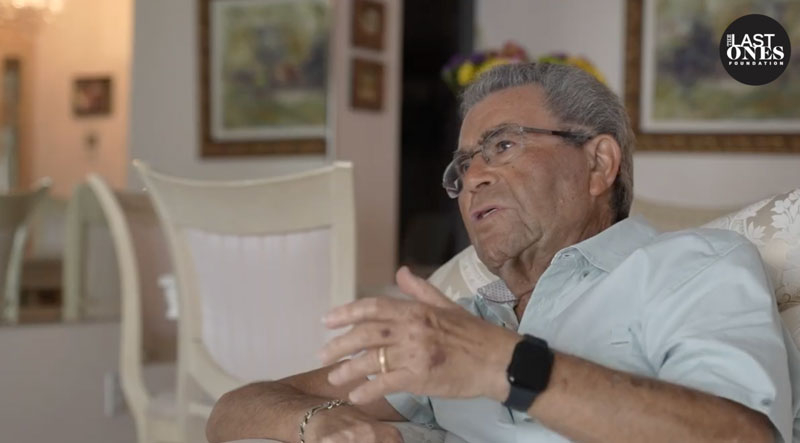
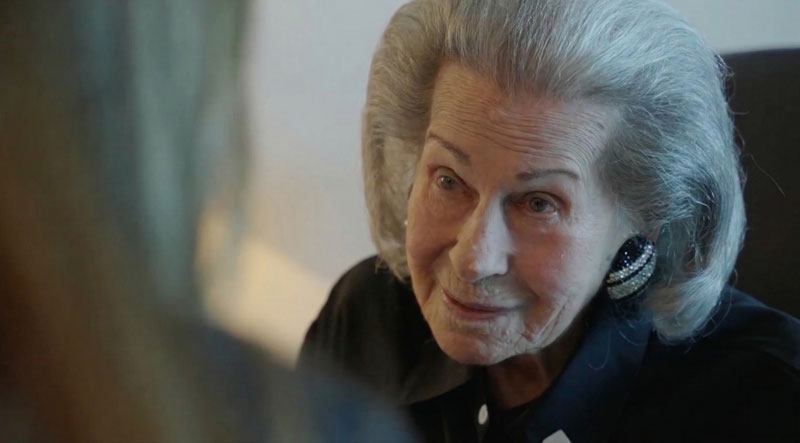
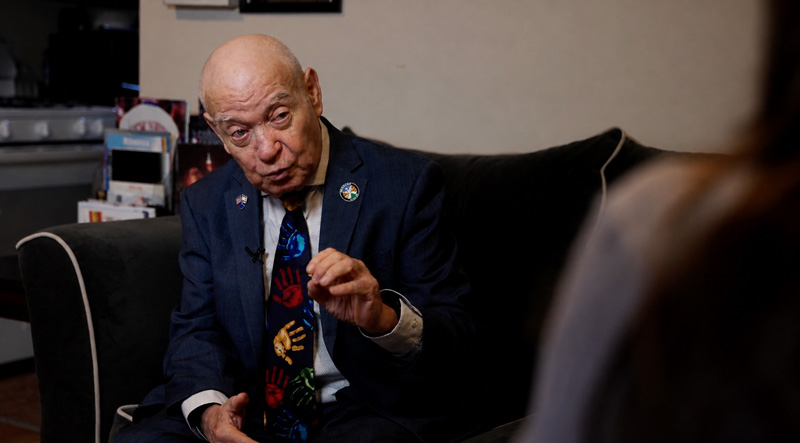
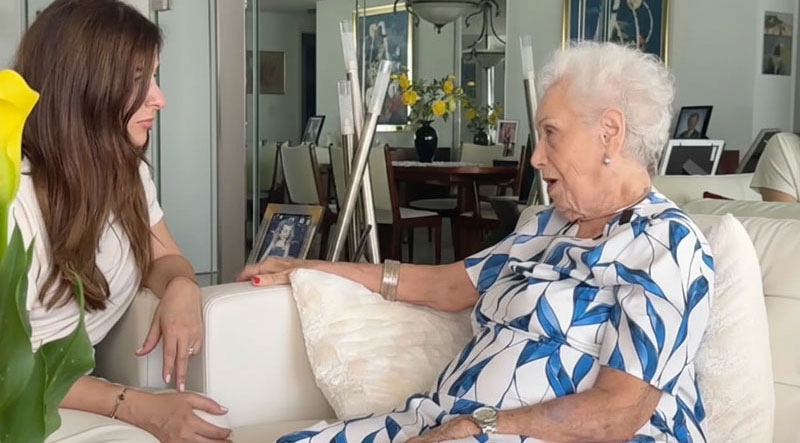
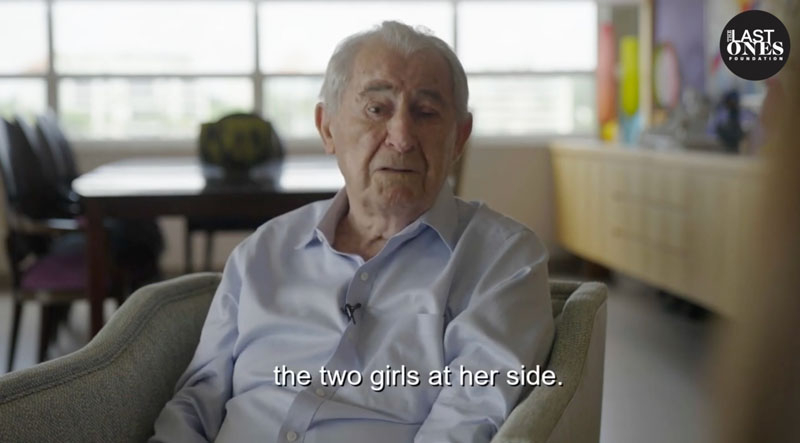
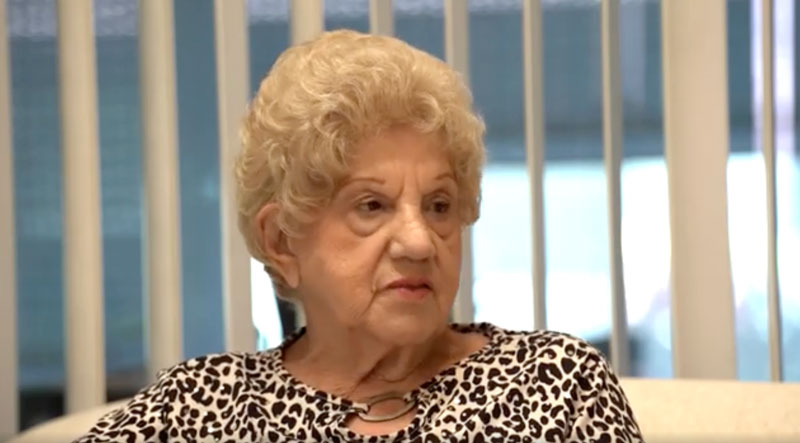
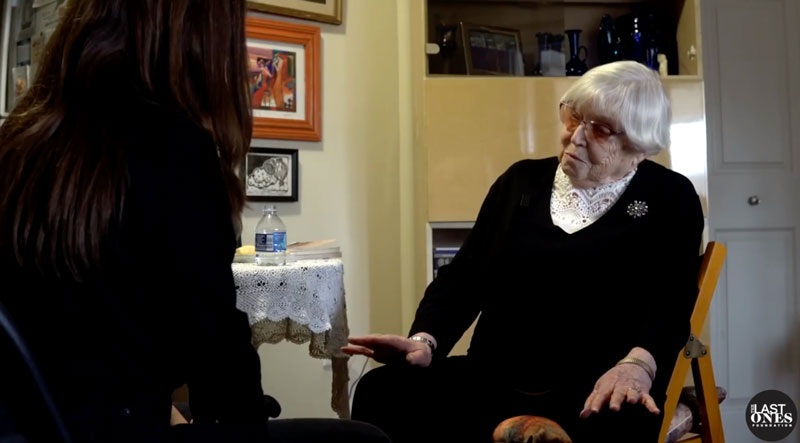
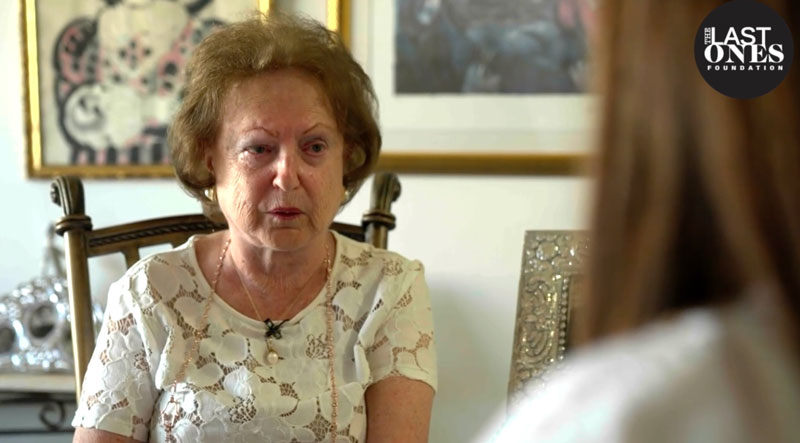
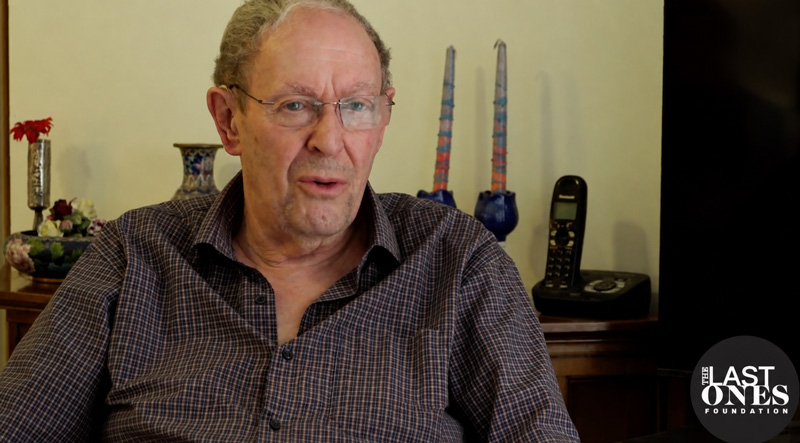
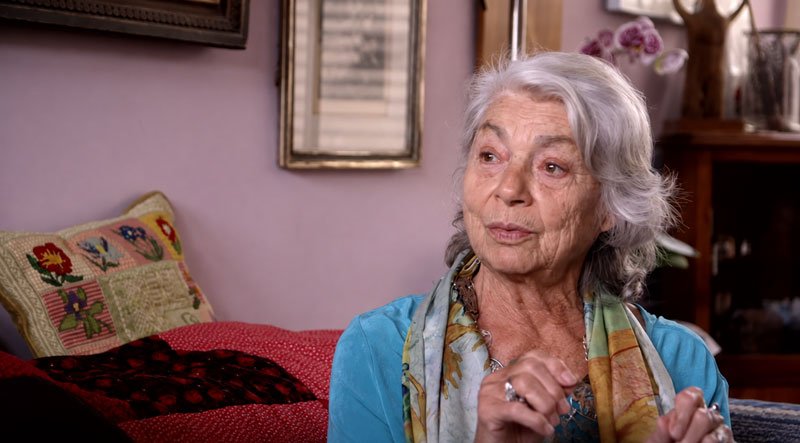
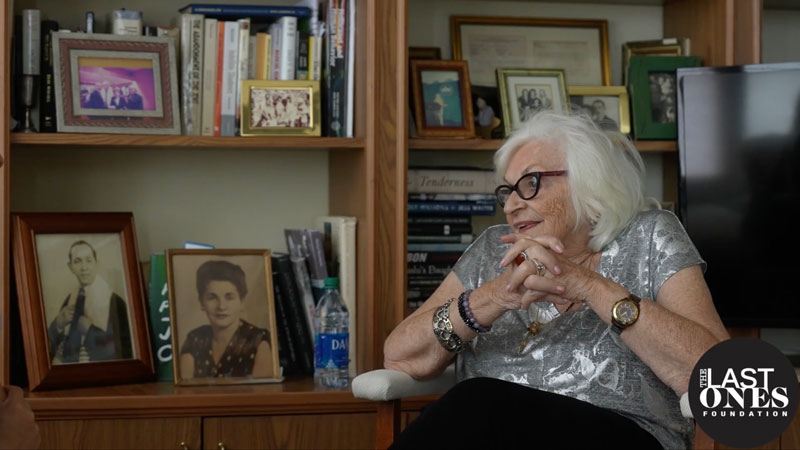
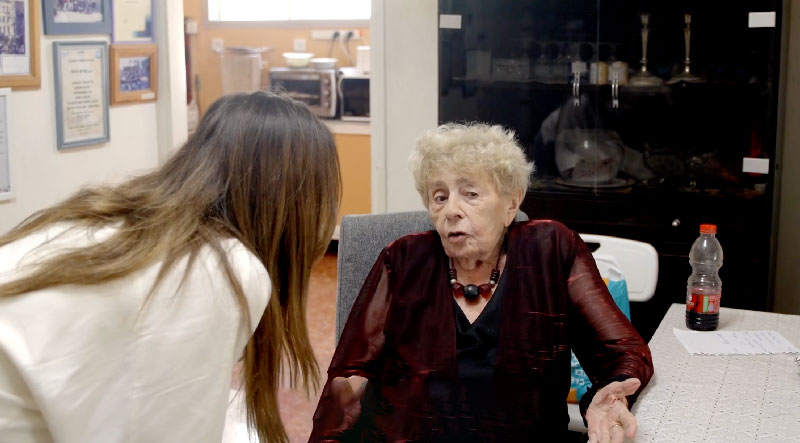
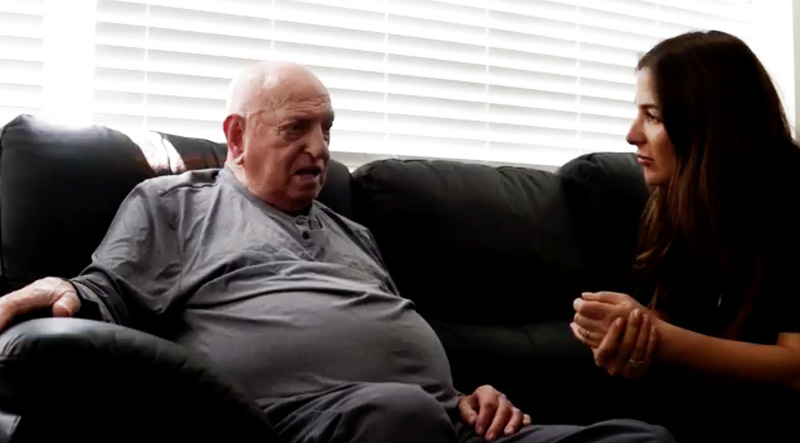
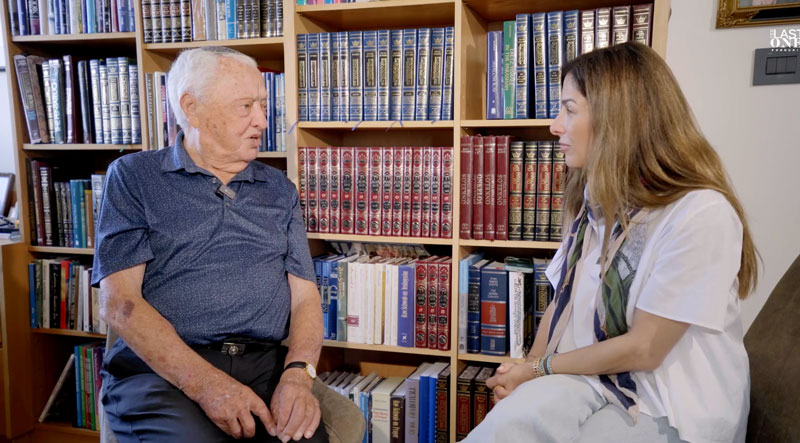
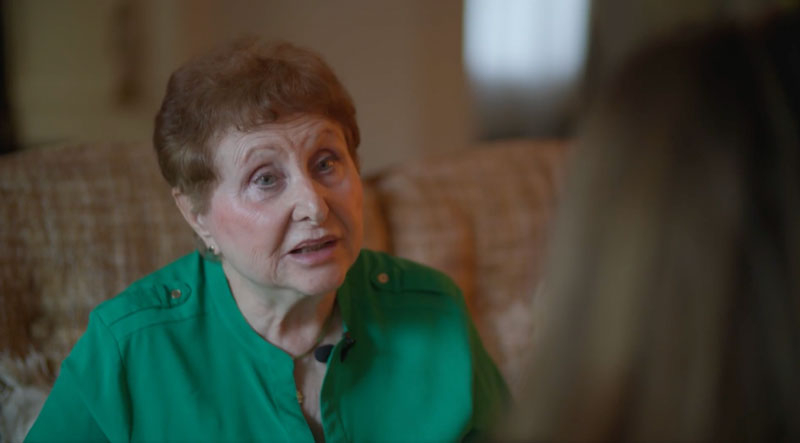
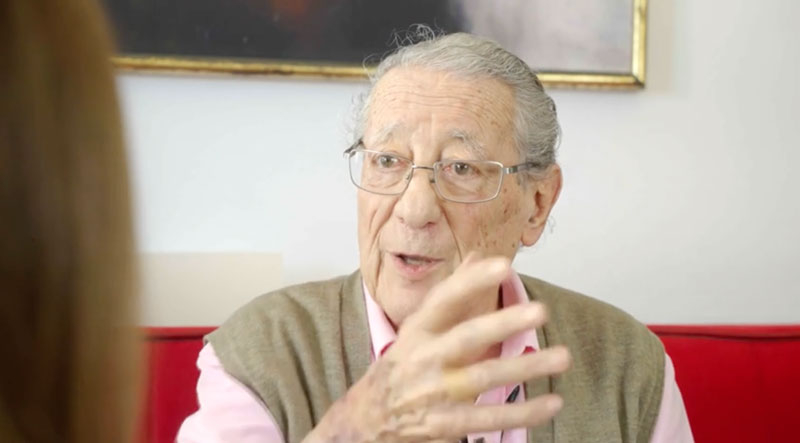
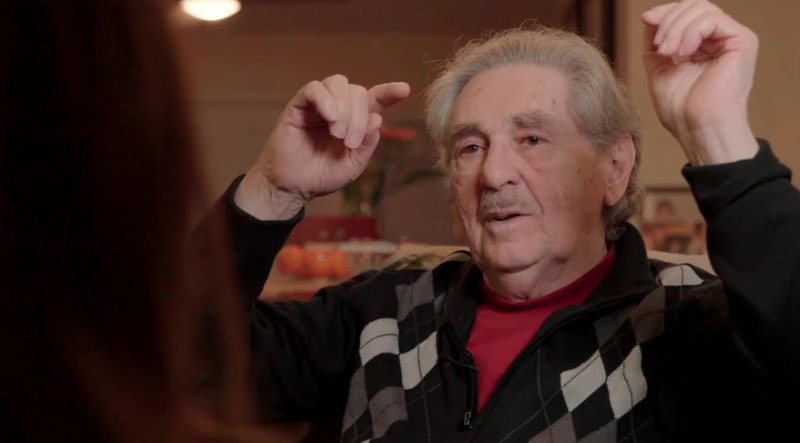
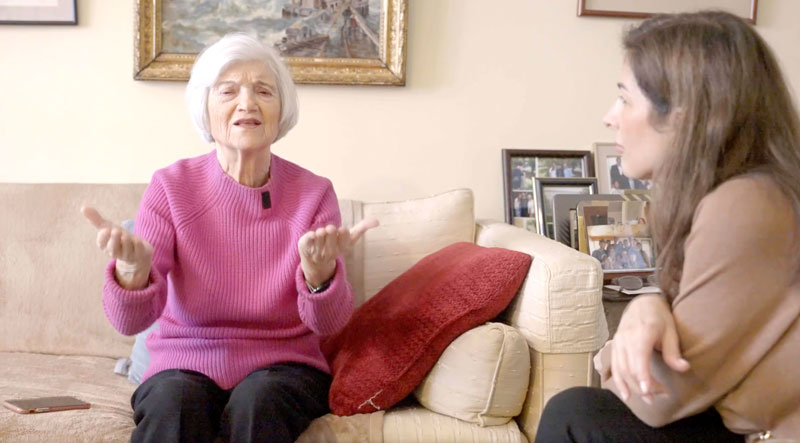
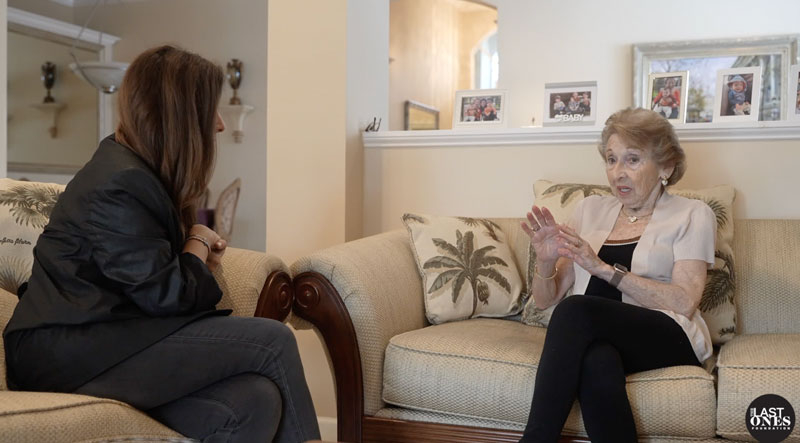
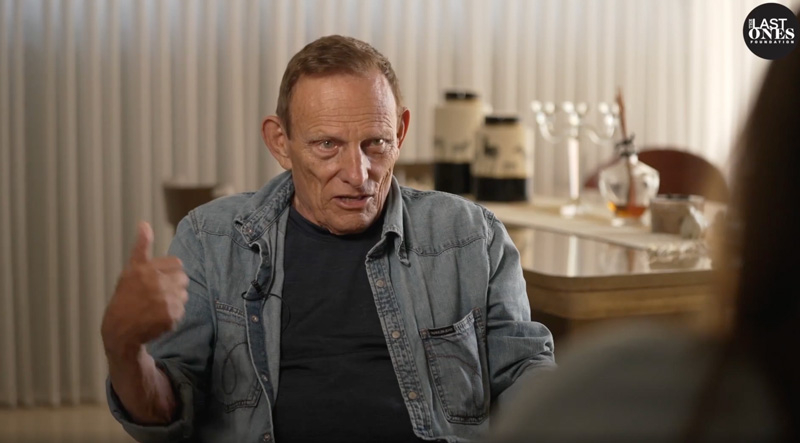
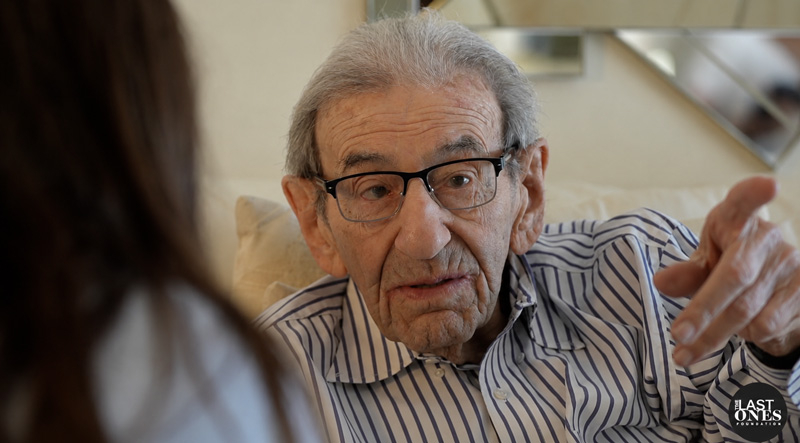
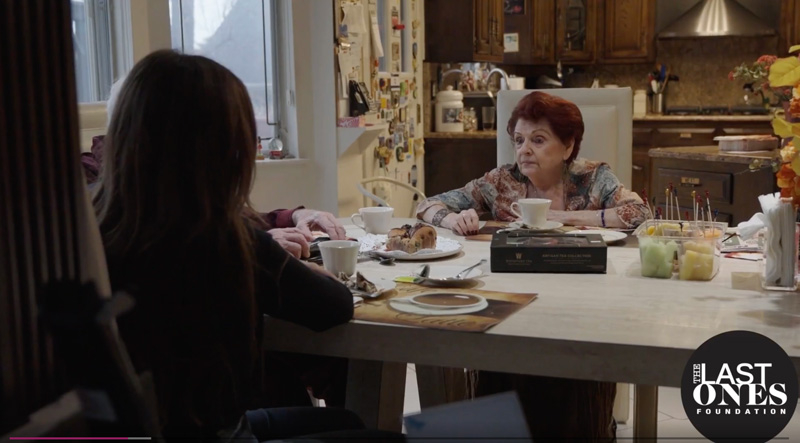
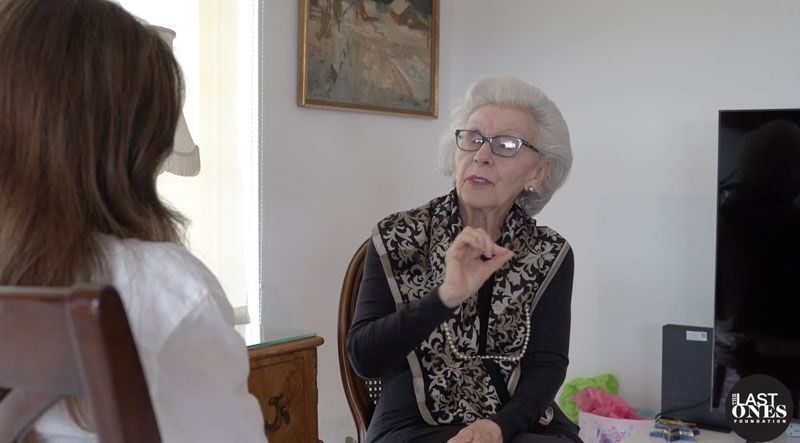
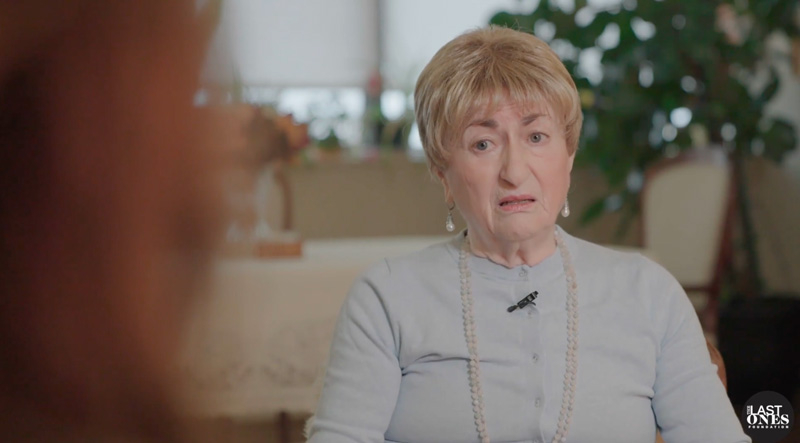
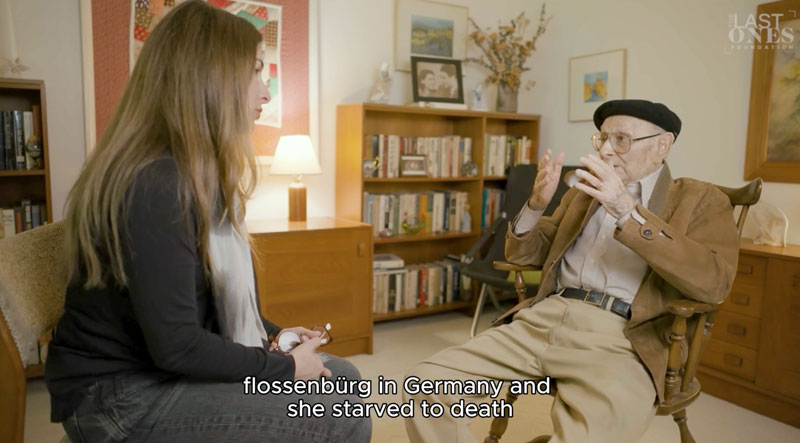
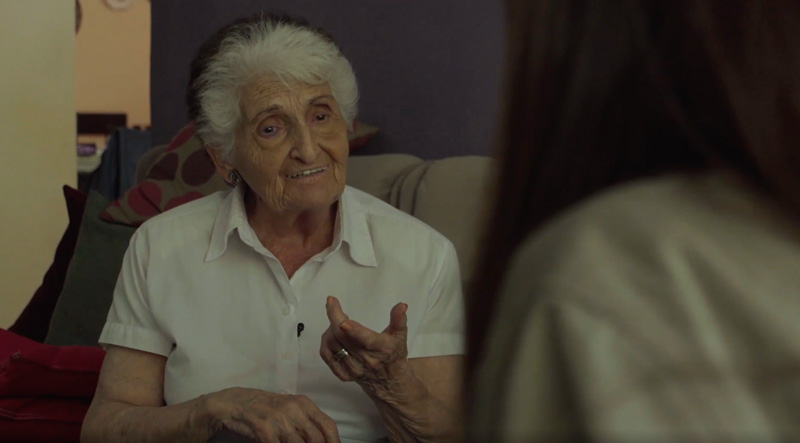
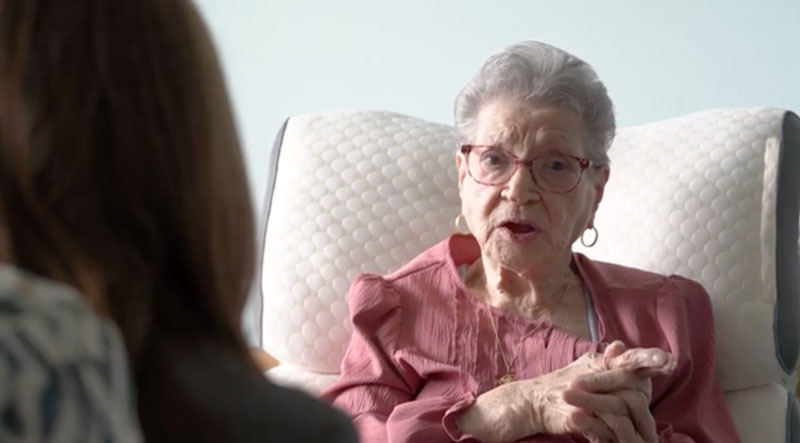
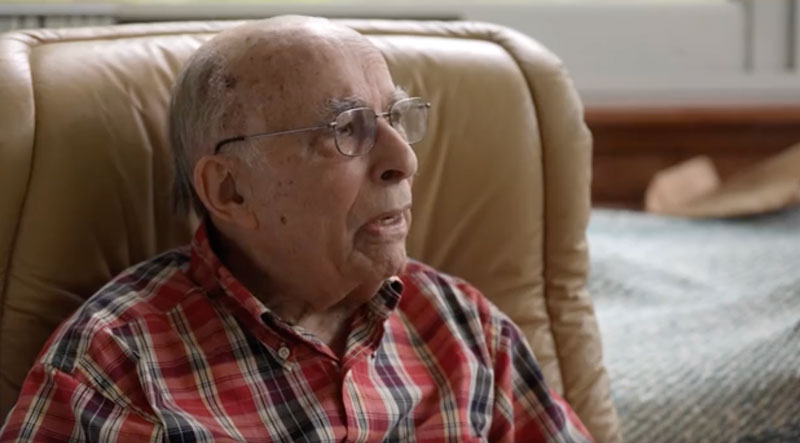
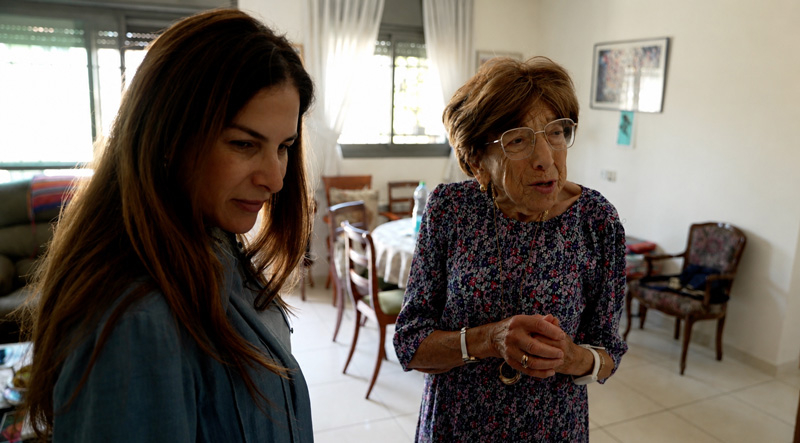
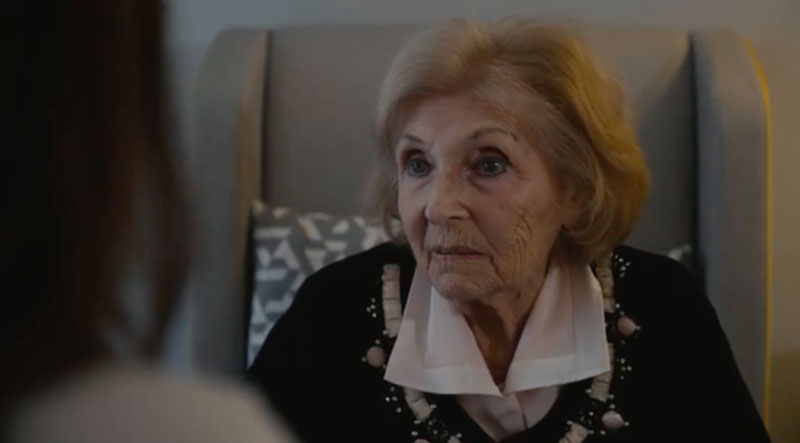
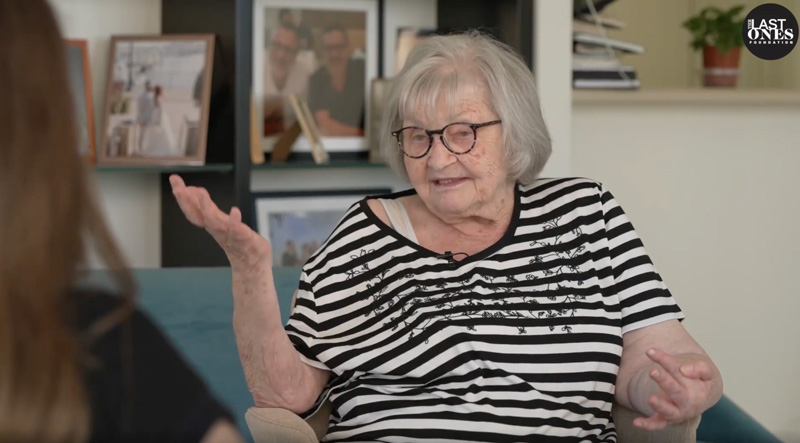
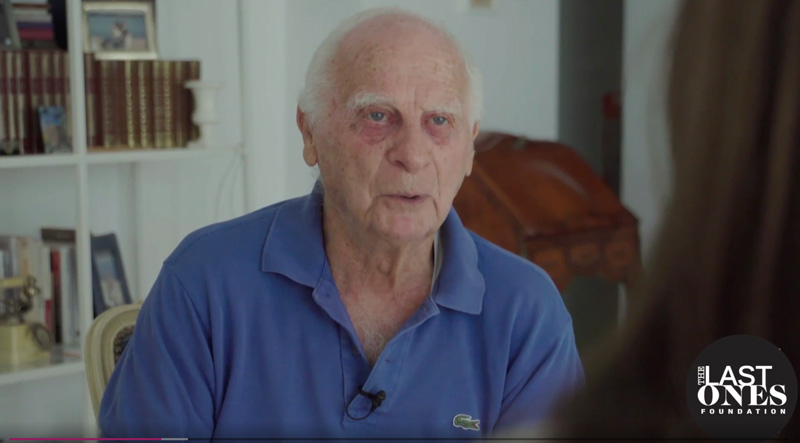
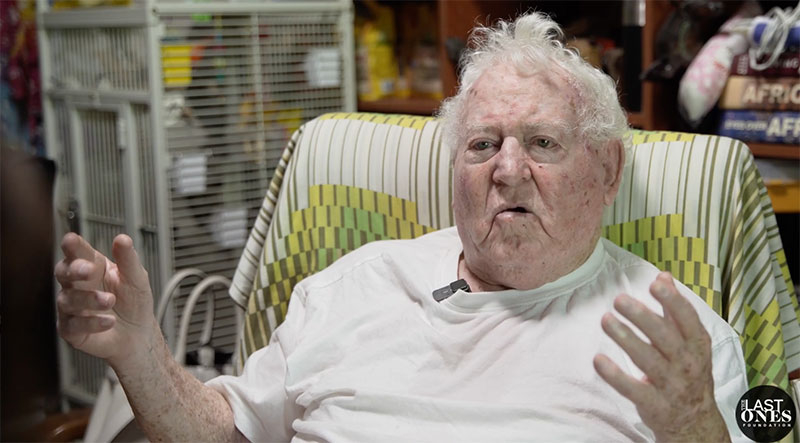
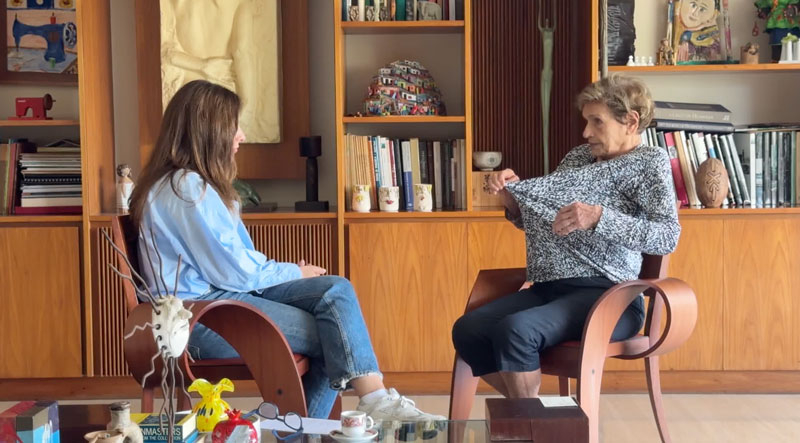
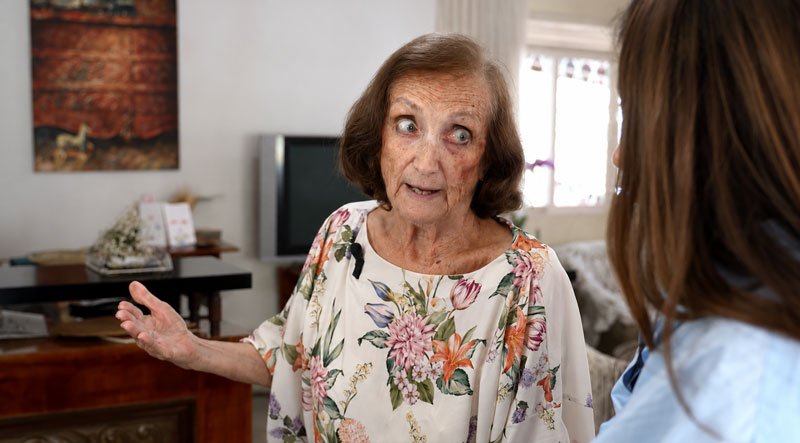
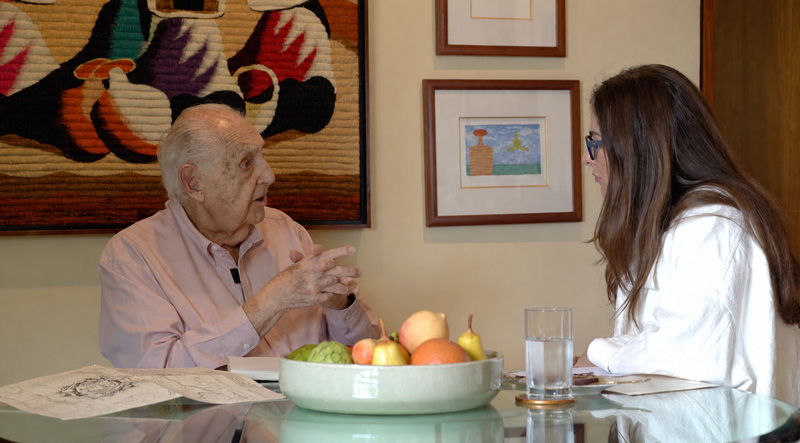
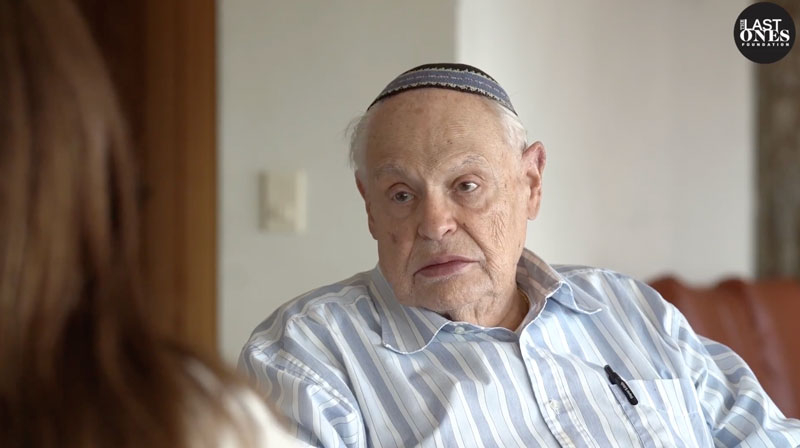
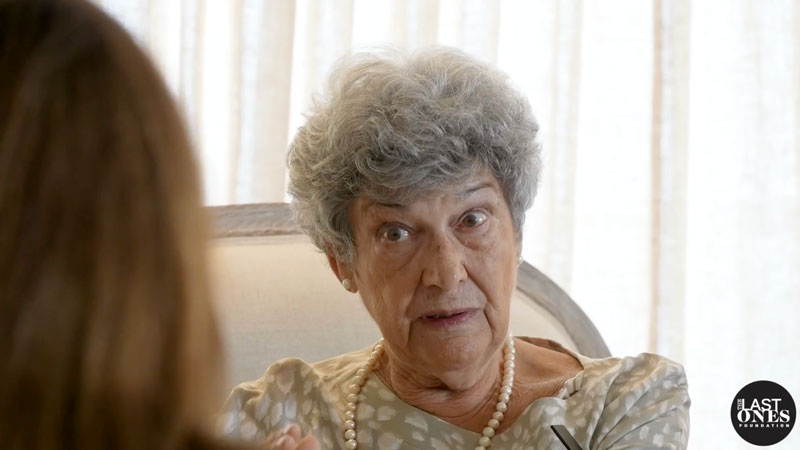
As time passes and the survivor generation continues to age, the urgency of preserving these first-hand accounts grows ever more critical. We are currently in a rapidly closing window of time where we can still learn directly from the individuals who lived through these harrowing events. Documenting and safeguarding these survivor stories ensures that the truth of the Holocaust cannot be erased, denied, or distorted in the future. Each recorded memory acts as a permanent, undeniable safeguard against Holocaust denial and rising antisemitism, transforming personal recollection into a permanent historical archive that will stand for centuries to come.
For schools and academic institutions worldwide, these video archives serve as an irreplaceable pillar of comprehensive Holocaust education. While textbooks can convey the dates, locations, and geopolitical shifts of World War II, Holocaust survivor interviews foster a profound emotional connection that traditional learning materials simply cannot replicate. For teachers, these testimonies serve as powerful pedagogical tools that bring history to life in the classroom. Students who engage with these videos learn not just about the mechanics of genocide, but about individual perseverance, the devastating impact of prejudice, and the moral choices that define humanity.
It is especially crucial that younger generations watch and reflect upon these testimonies. Today’s youth will be the final generation to coexist with living survivors, passing onto them the solemn responsibility of carrying these truths forward into the future. When young people listen to a survivor recount their experiences, it cultivates deep empathy, encourages critical thinking about contemporary social issues, and highlights the dangerous consequences of unchecked hatred, bigotry, and intolerance. By engaging with these stories, the next generation is empowered to stand against injustice in their own communities, ensuring that the promise of “Never Again” is not just a historical slogan, but an active, lifelong commitment.